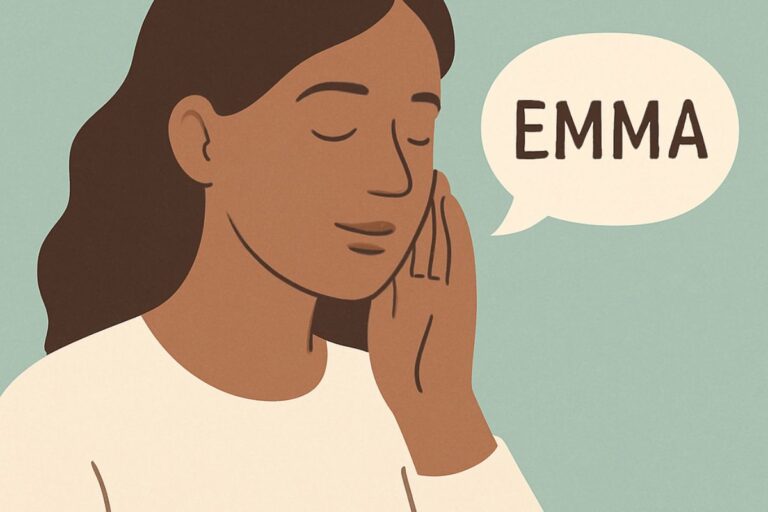
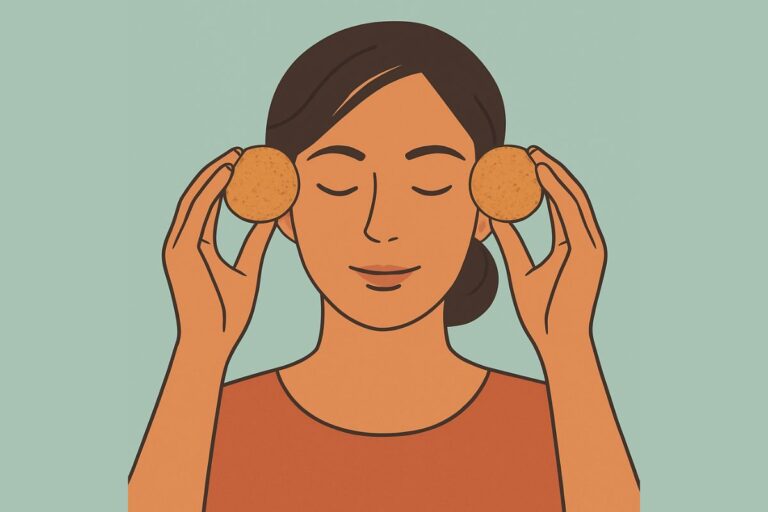
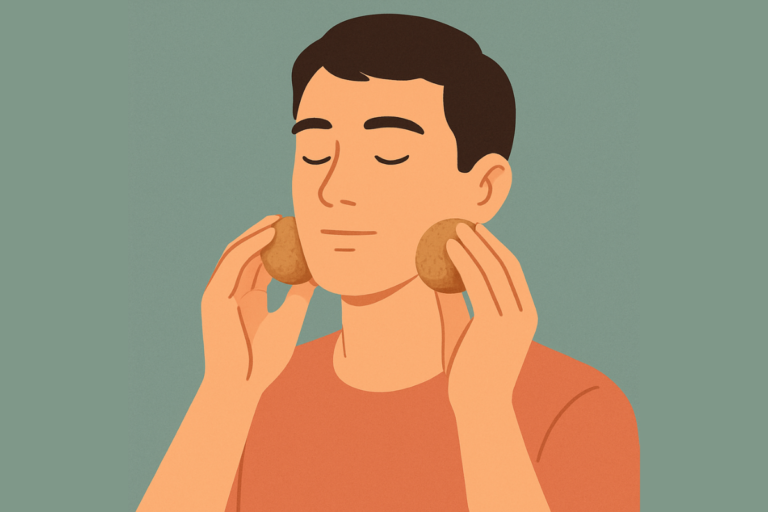
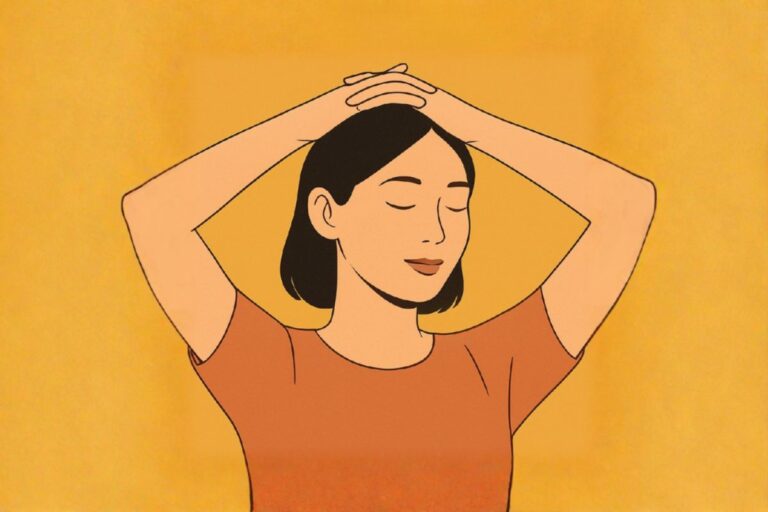
These guides contain practical ways to calm and release jaw tension.
The guides are useful whether you are exploring things on your own or as an addition to holistic TMJ therapy.
The approaches are shaped by what we now understand about why jaw tension persists.
Whilst this thinking is referenced in the Jaw Knowledge section, here are the key ideas behind what is likely going on and what therefore is likely to help.
TMJ or TMD rarely indicates tissue damage or a structural issue.
Regardless of how symptoms started – be it physical trauma, stress, or connective tissue sensitivity, the nervous system is likely locking down the fascia in a state of protection.
It is not only the jaw that will be in tension – it is also the body. Common areas include the neck and shoulders, hips and even the feet.
These guides take this into consideration and suggest holistic ideas that allow the nervous system to feel safe and to let go of held tension.
The four articles below are a good place to start. Begin with whichever feels most relevant to you.