
How Your Nervous System Affects Your Jaw
Jaw symptoms are rarely just about muscles or joints.
Many people notice their jaw feels tighter, more painful, or more reactive during periods of stress, overwhelm, poor sleep, or uncertainty — even when nothing obvious has changed physically.
This guide explains how your nervous system influences jaw tension, sensitivity, and pain, and why calming approaches often help more than trying to force change.
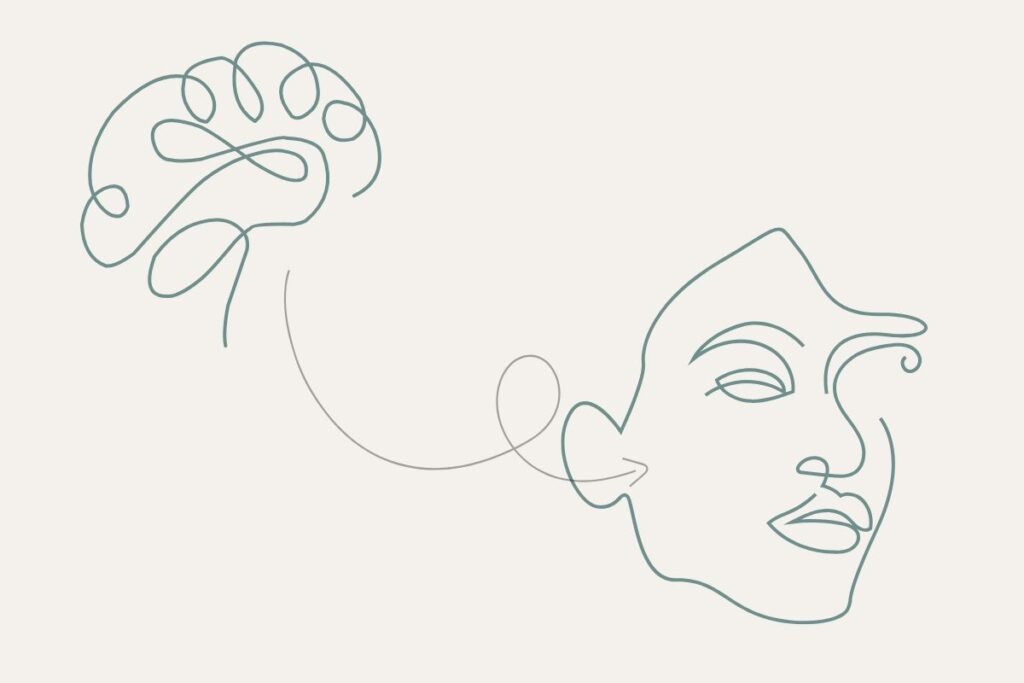
How the Nervous System Affects Jaw Tension
Your nervous system is constantly scanning for safety and threat — often outside of conscious awareness.
When it perceives threat, uncertainty, or overload, it prepares the body to protect itself. This can include increasing muscle tone, narrowing movement options, and heightening sensitivity.
In the jaw, this response can be especially noticeable. The jaw is closely linked to breathing, communication, and survival, so it’s often recruited when the system feels under pressure.
This doesn’t mean something is wrong with your jaw. It means your nervous system is doing its job — even if that response has become unhelpful over time.
Fight, Flight, Freeze & Jaw Tension
When the nervous system senses threat, it tends to shift into protective states often described as fight, flight, or freeze.
These aren’t signs of danger or dysfunction — they’re automatic survival responses designed to help the body cope with stress.
Fight
The body braces and tightens. In the jaw, this often shows up as clenching or holding tension.Flight
The system stays on high alert. Jaw muscles may feel restless, fatigued, or unable to fully relax.Freeze
Everything feels stuck or heavy. The jaw may feel rigid, limited, or hard to move smoothly.
Many people move between these states throughout the day. Jaw tension can reflect how long the system has been under pressure, rather than anything being structurally wrong.
Why the Jaw Is So Affected
The jaw is one of the most sensitive and responsive areas of the body.
It plays a role in breathing, speaking, eating, facial expression, and protection — all functions closely tied to survival and communication.
Because of this, the jaw is richly supplied with nerves and closely monitored by the nervous system. When the system is under pressure, the jaw is often recruited early and strongly.
This is why jaw tension can develop even when there’s no clear injury or structural problem. The jaw isn’t failing — it’s responding.
For many people, the jaw becomes a kind of “sentinel” — quietly staying on guard.
Why Forcing the Jaw Rarely Helps
When muscles are being held tight by the nervous system, they are not simply short or weak — they are guarded.
In this state, forceful stretching, repeated strengthening, or aggressive techniques can feel threatening to the system. Instead of releasing, the body may respond by tightening further.
This is why many people find that jaw exercises or stretches help briefly, then symptoms return — or even worsen. The underlying protective signal hasn’t changed.
This doesn’t mean those approaches are wrong forever.
It means timing and context matter.
When the nervous system feels safer, the jaw often becomes far more responsive to gradual movement, touch, and change.
What Helps the Nervous System Settle
When jaw tension is driven by nervous system patterns, approaches that support regulation rather than force tend to be most effective.
creating a sense of safety and predictability
bringing awareness to the breath
slow, non-threatening movement and touch
reducing background stress and daily strain
Over time, these signals help the system step down from protection — allowing the jaw to soften more naturally.
You May Find These Guides Helpful
A Reassuring Note
Nervous system patterns can change.
When the body feels safer and less pressured, protective responses often soften on their own.
Understanding this process can be an important first step toward lasting ease.
Looking for something else?
When to Seek Medical Advice
Most jaw tension and TMD symptoms are related to muscle guarding, stress, or nervous-system patterns, and they often improve well with gentle self-care.
It’s a good idea to seek medical advice if you experience:
sudden, severe, or unexplained facial or jaw pain
injury, swelling, or suspected dislocation
numbness, weakness, or changes in vision or speech
a fever, illness, or signs of infection
new pain accompanied by weight loss or general unwellness
persistent symptoms that worry you or don’t improve over time
These situations aren’t common, but it’s always appropriate to check in with a qualified medical professional if something feels unusual or concerning for you.